About Mel
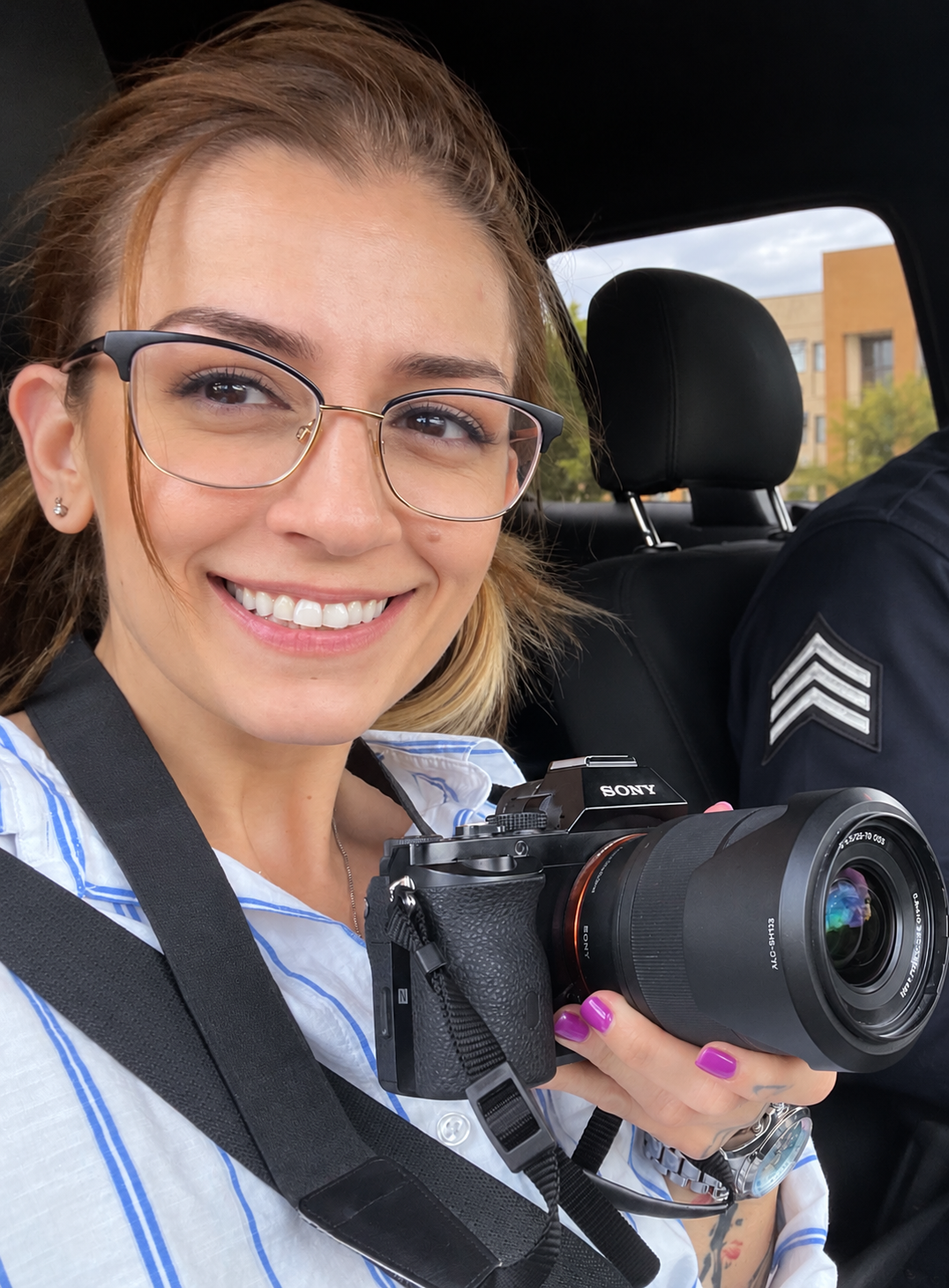
My background is in forensic and police psychology, with work spanning clinical practice, research, and law-enforcement environments. Over the past several years, my experience around law enforcement has also shaped how I think about the profession, particularly the gap between what the job demands of people and the support available to them.
Police officers, and other first responders, routinely work through circumstances that would disrupt most people's ability to function normally. The work continues through stress, grief, family problems, exhaustion, and events encountered on the job. Being capable of functioning under those conditions does not mean someone is unaffected by them.
That distinction is important to my clinical work. I approach therapy collaboratively and with respect for the individual's existing strengths, judgment, and experience. I don't believe effective therapy requires a clinician to take over or presume to know a person's life better than they do. My role is to understand the problem, bring useful psychological knowledge and perspective to it, and work with the client to develop approaches that are realistic for their life.
Beyond the Therapy Room
I'm equally interested in the environments in which people work. Individual well-being is affected by organizational culture,
leadership, workload, policy, morale, and the degree to which people feel supported by those around them. An organization
can formally encourage employees to seek help while informally creating a culture in which doing so carries social or professional consequences. For this reason, I don't think supporting law-enforcement personnel can be reduced to providing access to therapy. Leadership practices, reasonable opportunities for time away from work, fairness, recognition, and everyday interactions within an organization matter as well.
I'm particularly interested in the relationship between leadership and workforce well-being, including how decisions made at organizational levels translate into the day-to-day experience of the people responsible for carrying them out.
The People Around the Person
I’m also interested in the families who live alongside these professions. A demanding career doesn't affect only the person doing the job. Spouses and partners navigate schedules, stress, unpredictability, and the ways work can follow someone home. Parents may worry about an adult child working in a dangerous or demanding profession. Children grow up within that reality as well. So, my clinical interests include not only law-enforcement officers, first responders, and high-stress professionals, but also their spouses and partners, parents, and children. Supporting the individual and supporting the family don't have to be separate goals. Stronger relationships and healthier families can be an important part of supporting the people doing the work.
Research and Practice
My academic background has also made me interested in how psychological research translates into practice.
I value empirical research and evidence-based practice, while also believing that published findings should be evaluated critically. Methodology, validity, replication, limitations, and the strength of the evidence all matter. Research is most useful when we understand both what the evidence supports and what it does not.
My current interests include police selection and psychological screening, occupational stress and burnout, organizational culture, leadership, and law-enforcement mental health. Across these areas, I'm particularly interested in research that can produce useful changes in actual practice rather than remaining primarily academic.
Why Law Enforcement?
Quite simply, I like working with this population.
I've developed a great deal of respect for the people I've met through my experiences in law-enforcement environments. The profession is complicated, as are the people within it, and I think both are sometimes discussed in overly simplistic terms. My goal isn't to idealize law enforcement or ignore legitimate criticism of it. It's to approach officers as individuals, understand the occupational context in which they work, and contribute where my background in psychology can be useful, whether that is through therapy, research, training, writing, or work involving organizational practices and leadership.
Bridging the Gap
Another part of my work is focused on the relationship between law enforcement and the communities they serve.
Before spending time around law enforcement, there were basic things about policing that I didn't know. I didn't fully understand how independently different departments operate, how much policies and practices can vary between agencies, or how differently an issue being debated nationally may already be handled locally. Much of what I learned came simply from having opportunities to ask officers questions and see how the work actually functions. Those experiences made me wonder how often conversations about policing become unnecessarily divided because the people involved are working with different information.
I want to help close some of that gap. Through writing, social media, education, and conversations with both law enforcement and the public, I hope to make aspects of policing that are often misunderstood more accessible. That includes explaining how departments operate, providing context around policies and practices, highlighting approaches agencies are already using, and creating space for questions that people may not otherwise have an opportunity to ask.
I don't see that as defending every action taken by law enforcement or asking communities to ignore legitimate concerns. I see it as making conversations more informed. Accountability and understanding aren't competing goals. We can examine problems honestly while also being accurate about what individual officers, departments, and communities are actually doing. I would like some of my work to make it easier for law enforcement and the public to understand one another rather than beginning every conversation from opposing sides.
Outside of Psychology
Despite what the rest of this page might suggest, I do occasionally think about things other than psychology.
I'm a mom, a writer, an animal person, and someone with an unfortunate tendency to turn a simple idea into an entire mission. I love learning, creating things, baking, asking too many questions, and finding humor in situations that probably weren't intended to be funny (oops).
Writing has been part of my life for years, from psychological work to fiction, and it's one of the places where many of my interests overlap. I'm also perpetually working on something, whether that's research, a presentation, a manuscript, or an idea that seemed small when I started it.
My life is busy, imperfect, and usually a little ridiculous, but never dull!